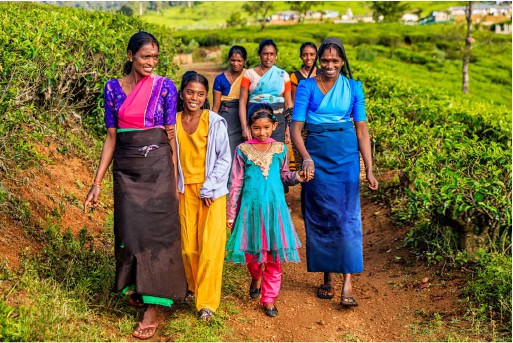
Launched in 2021, the partnership between Global Water Challenge and The Starbucks Foundation works to strengthen community resilience and expands economic opportunities for women, girls, and communities in Tanzania’s coffee and tea growing regions.
Through Global Water Challenge’s women for water platform, the initiative advances gender equity by improving access to clean water, sanitation, and hygiene (WASH) and providing life skills programs that enable women to contribute to the resilience and economic development of their communities.
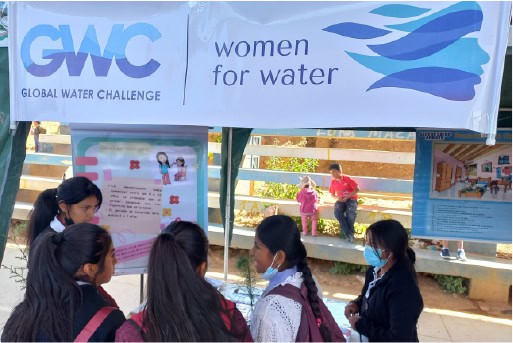
In collaboration with WASH & Women Empowerment (WAWE) program, implemented with local partners Amref Health Africa and the Tanzania Association of Environmental Engineers, the initiative improved access to clean water, sanitation, and hygiene (WASH) while supporting women’s leadership, entrepreneurship, and financial literacy.
To date, the partnership has reached nearly 100 villages across Kilolo, Mufindi, and Njombe districts, empowering over 50,000 women and girls. WAWE contributes directly to The Starbucks Foundation’s global goal to positively impact 1 million women and girls in coffee-, tea-, and cocoa-growing communities by 2030.
What We’ve Achieved Together
Together, GWC and The Starbucks Foundation are positively impacting lives in Tanzanian communities.
Here are a few key highlights:
Nearly
0
Over
0
0
Over
0
people, in Mufindi, Kilolo, and Njombe Districts positively impacted by the program
women and girls reached, benefitting from improved access to WASH and new opportunities through entrepreneurship and financial skills training
Coffee-and-tea growing communities
+ 14 schools positively impacted from improved water supply, WASH facilities and economic opportunities
women entrepreneurship
groups supported
Starting a Positive Ripple Effect by Investing in
Women and Girls
In Tanzania’s coffee- and tea-growing regions, women face interconnected socio-economic and environmental challenges that limit their ability to build healthy, financially sustainable lives. Limited access to education, income opportunities, and the effects of climate change, combined with persistent gender disparities, compound these barriers.
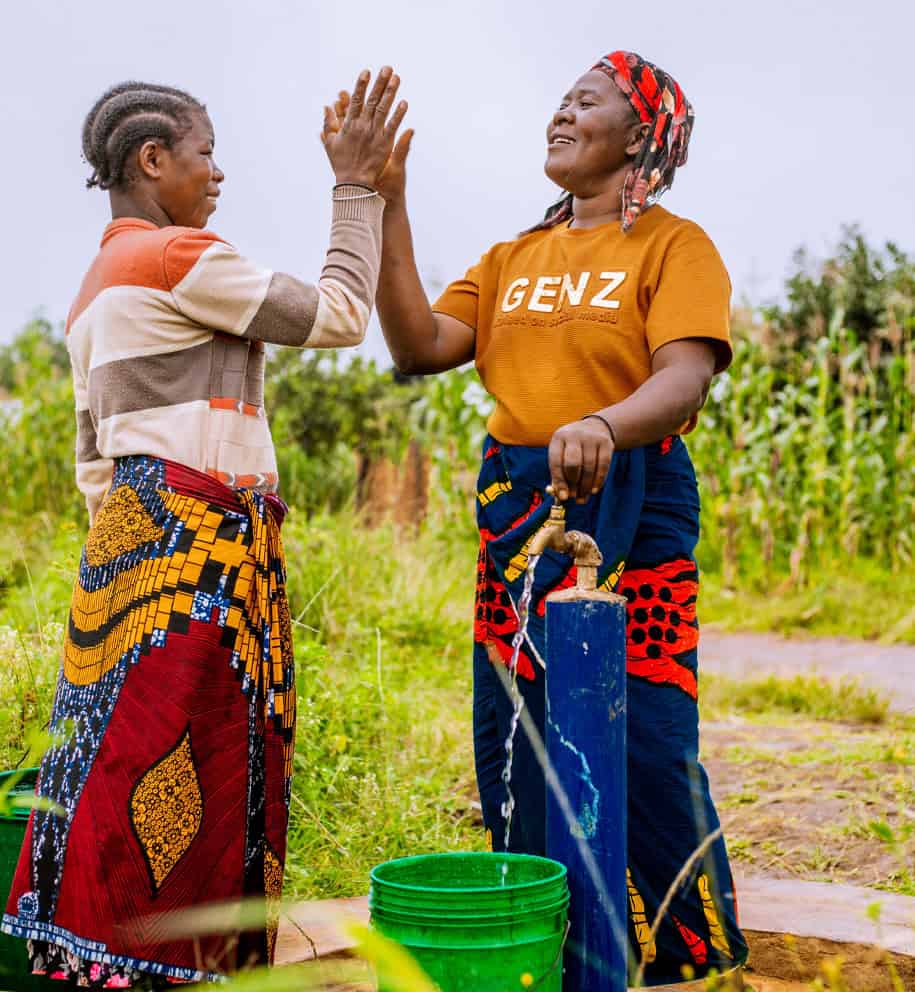
Inadequate access to safe water, sanitation, and hygiene (WASH) services further intensifies the burden. Women and girls, typically responsible for water collection and caregiving, are disproportionately affected. UNICEF reports that only half of rural Tanzanians have basic drinking water, and just 34% have basic sanitation, conditions that undermine health and restrict women’s time for education, economic activity, and leadership.
Empowering women through equitable WASH access is therefore essential to building resilient communities. GWC’s Women for Water platform shows how improved WASH infrastructure generates far-reaching benefits. The Ripple Effect Study, supported by GWC, demonstrates that when women and girls gain reliable WASH access, the positive impacts extend across families and entire communities.
As a result of a multi-pronged approach, health and dignity improve, school attendance increases, income-generating opportunities expand, and women can participate more actively in household and community decision-making. Addressing WASH challenges through a gender-responsive lens is transformative for women and essential for the long-term well-being of entire communities.
Our partnership with The Starbucks Foundation prioritizes women and girls’ empowerment through water, sanitation, and hygiene (WASH), proven pathways to build community resilience and improve the health and economic status of smallholder farmers and their families. The Starbucks Foundation’s commitment to supporting community resilience throughout their supply chain is making a positive difference in coffee and tea-growing communities around the world.
Monica Ellis
Chief Executive Officer
Global Water Challenge
Empowering Women and Girls Through Holistic,
Integrated Action: WASH, Skills, and Health
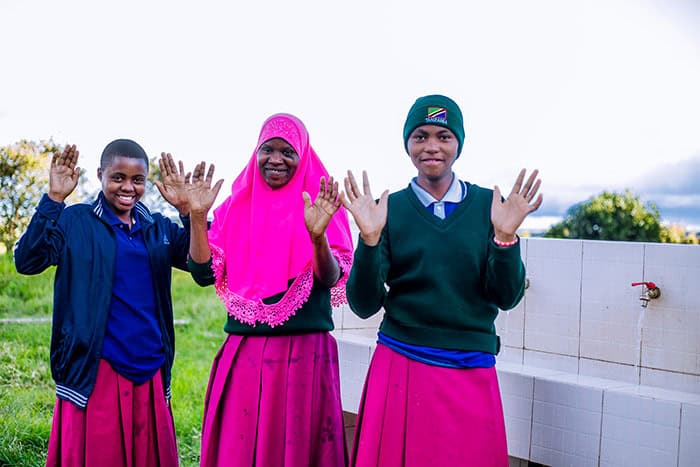
Through this partnership, communities in Kilolo, Mufindi, and Njombe gained vital WASH services, including 26 protected water sources, 12 rehabilitated systems supplying over 100 water points, 10 sanitation blocks, 19 handwashing stations, and 8 Menstrual and Hygiene Management rooms across 98 communities and 14 schools.
These infrastructure gains were reinforced by hygiene promotion, WASH training, and support for home sanitation facilities to ensure lasting behavior change and healthier outcomes.
Economic empowerment was advanced through over 600 women’s entrepreneurship groups, offering training in business, income generation, and group management, and connecting 300 women to essential healthcare. With improved WASH and expanded livelihoods, women are now leading enterprises, influencing household decisions, and strengthening the economic and social resilience of their communities.
A Story of Transformation and Community Impact
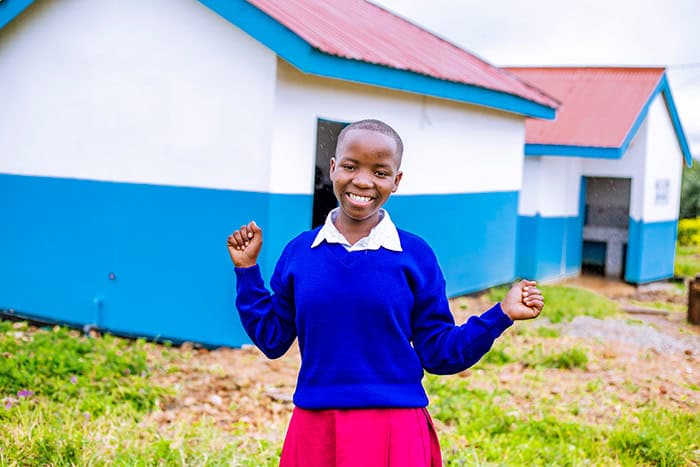
Anastazia’s Story
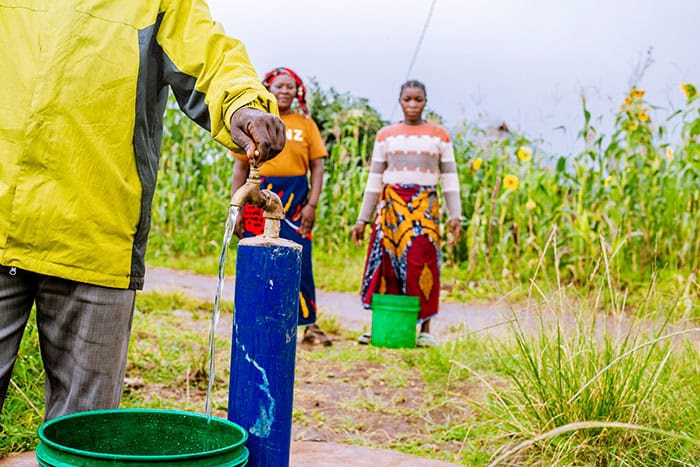
“Through the new water pump at our school we are happier and have less worries about water. We now have a clean learning environment, and we are confident, and focused. We no longer skip classes and travel long distances to fetch water.”
The partnership’s rehabilitation of water systems have breathed life back into Anastazia’s school. Students are energized, absenteeism and sickness caused by water issues have reduced. Classrooms are full, and learning is flowing—just like the clean water from their new tap. What used to be a daily struggle is now a celebration of access and dignity.
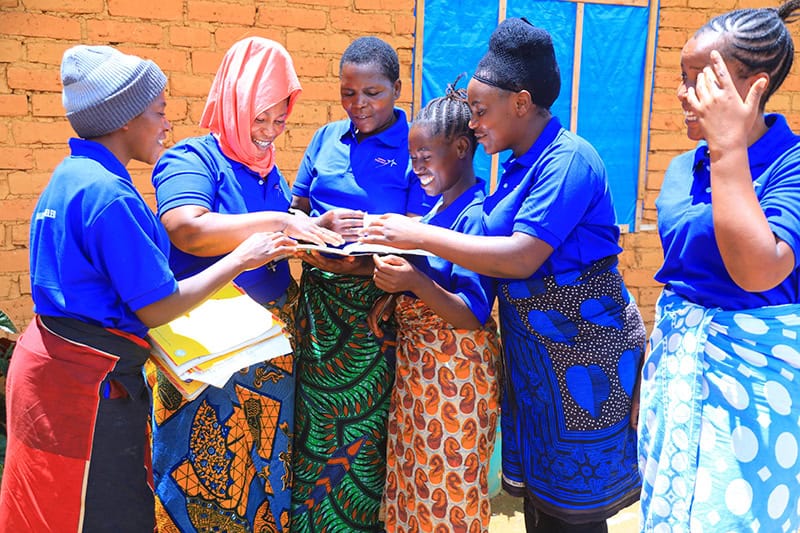
Through the project’s targeted interventions, the women’s lives have been transformed through training and activities, enabling the women to access savings and loan associations, allowing them to secure low-interest loans to invest in a joint potato farming venture, consequently uplifting the livelihoods of their families.
Yulitha, Imelda and Kiliana’s Story
The Shining Star group received training in enterprise & financial management skills, and how to improve business planning and management of their farming activities to increase their income.
The Shining Star Story
Through the project, Justina was trained in business management, financial literacy and record keeping. Now, empowered with new capabilities, Justina is successfully running her own small business, operating a stall selling to community members and generating an income that supports her entrepreneurial growth and her family’s well-being.
Justina’s Story
Learn more about the Global Water Challenge and The Starbucks Foundation
and how you can support our work.