Partnering for Impact:

Global Water Challenge
& The Starbucks Foundation

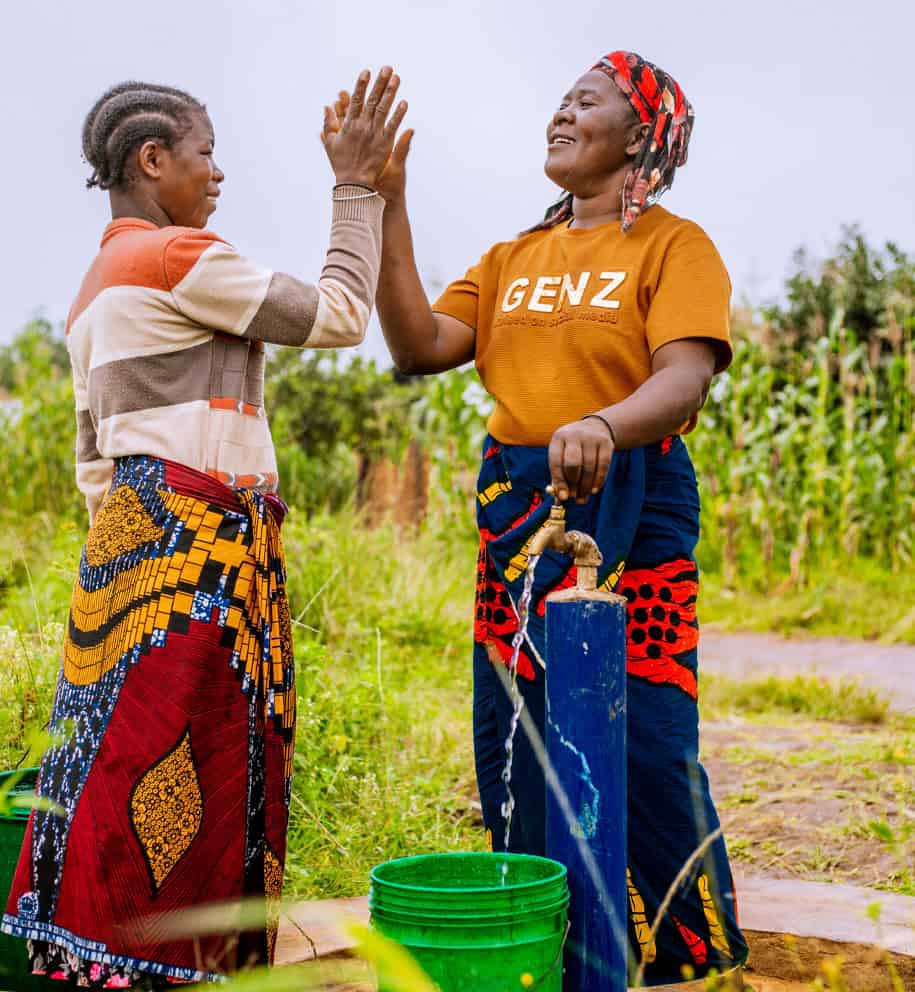
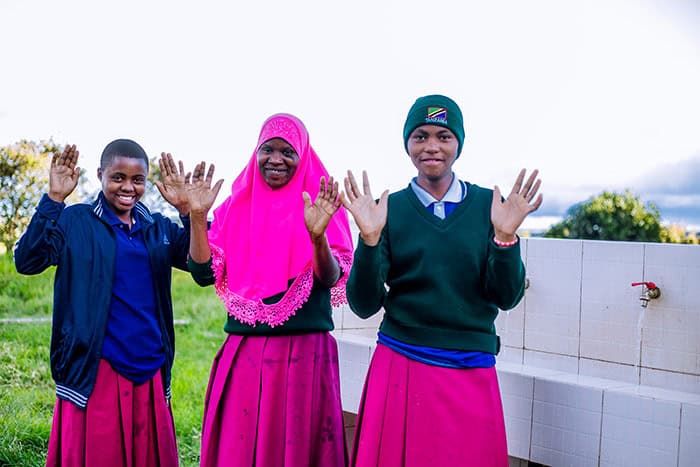
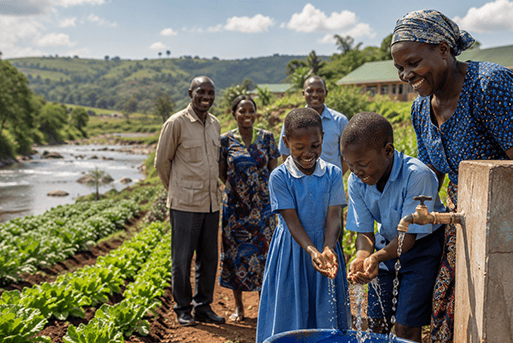
Launched in 2021, the partnership between Global Water Challenge and The Starbucks Foundation works to strengthen community resilience and expands economic opportunities for women, girls, and communities in Tanzania’s coffee and tea growing regions.

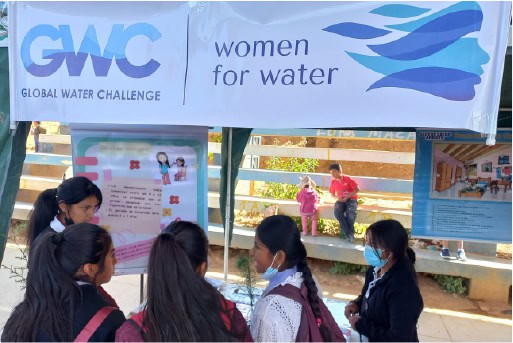
Through Global Water Challenge’s women for water platform, the initiative advances gender equity by improving access to clean water, sanitation, and hygiene (WASH) and providing life skills programs that enable women to contribute to the resilience and economic development of their communities.

In collaboration with WASH & Women Empowerment (WAWE) program, implemented with local partners Amref Health Africa and the Tanzania Association of Environmental Engineers, the initiative improved access to clean water, sanitation, and hygiene (WASH) while supporting women’s leadership, entrepreneurship, and financial literacy.

To date, the partnership has reached nearly 100 villages across Kilolo, Mufindi, and Njombe districts, empowering over 50,000 women and girls. WAWE contributes directly to The Starbucks Foundation’s global goal to positively impact 1 million women and girls in coffee-, tea-, and cocoa-growing communities by 2030.

What We’ve Achieved Together

Together, GWC and The Starbucks Foundation are positively impacting lives in Tanzanian communities. 
Here are a few key highlights:

Nearly 0
Over 0
0
Over 0

people, in Mufindi, Kilolo, and Njombe Districts positively impacted by the program

women and girls reached, benefitting from improved access to WASH and new opportunities through entrepreneurship and financial skills training

Coffee-and-tea growing communities
+ 14 schools positively impacted from improved water supply, WASH facilities and economic opportunities

women entrepreneurship
groups supported 


Starting a Positive Ripple Effect by Investing in
Women and Girls

In Tanzania’s coffee- and tea-growing regions, women face interconnected socio-economic and environmental challenges that limit their ability to build healthy, financially sustainable lives. Limited access to education, income opportunities, and the effects of climate change, combined with persistent gender disparities, compound these barriers.

Inadequate access to safe water, sanitation, and hygiene (WASH) services further intensifies the burden. Women and girls, typically responsible for water collection and caregiving, are disproportionately affected. UNICEF reports that only half of rural Tanzanians have basic drinking water, and just 34% have basic sanitation, conditions that undermine health and restrict women’s time for education, economic activity, and leadership.

Empowering women through equitable WASH access is therefore essential to building resilient communities. GWC’s Women for Water platform shows how improved WASH infrastructure generates far-reaching benefits. The Ripple Effect Study, supported by GWC, demonstrates that when women and girls gain reliable WASH access, the positive impacts extend across families and entire communities.

As a result of a multi-pronged approach, health and dignity improve, school attendance increases, income-generating opportunities expand, and women can participate more actively in household and community decision-making. Addressing WASH challenges through a gender-responsive lens is transformative for women and essential for the long-term well-being of entire communities.

Our partnership with The Starbucks Foundation prioritizes women and girls’ empowerment through water, sanitation, and hygiene (WASH), proven pathways to build community resilience and improve the health and economic status of smallholder farmers and their families. The Starbucks Foundation’s commitment to supporting community resilience throughout their supply chain is making a positive difference in coffee and tea-growing communities around the world.

Monica Ellis
Chief Executive Officer
Global Water Challenge

Empowering Women and Girls Through Holistic,
Integrated Action: WASH, Skills, and Health

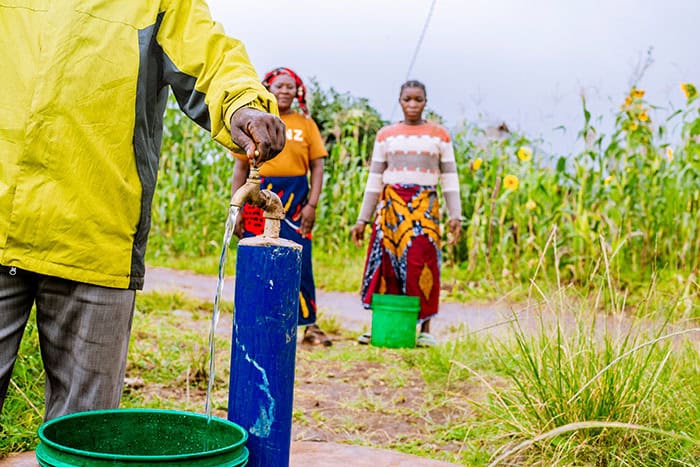
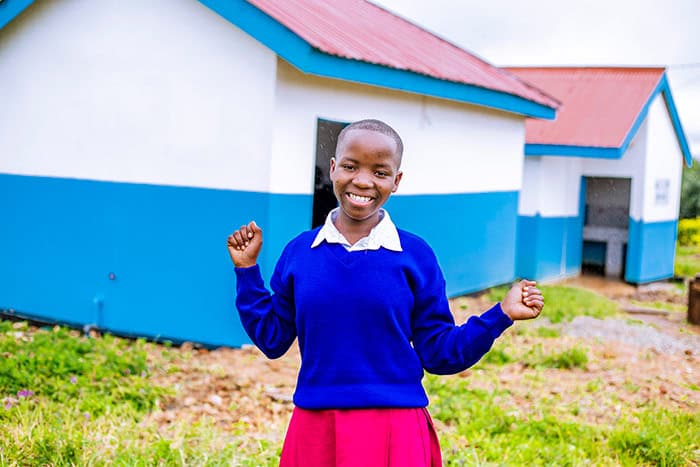
Through this partnership, communities in Kilolo, Mufindi, and Njombe gained vital WASH services, including 26 protected water sources, 12 rehabilitated systems supplying over 100 water points, 10 sanitation blocks, 19 handwashing stations, and 8 Menstrual and Hygiene Management rooms across 98 communities and 14 schools.

These infrastructure gains were reinforced by hygiene promotion, WASH training, and support for home sanitation facilities to ensure lasting behavior change and healthier outcomes.

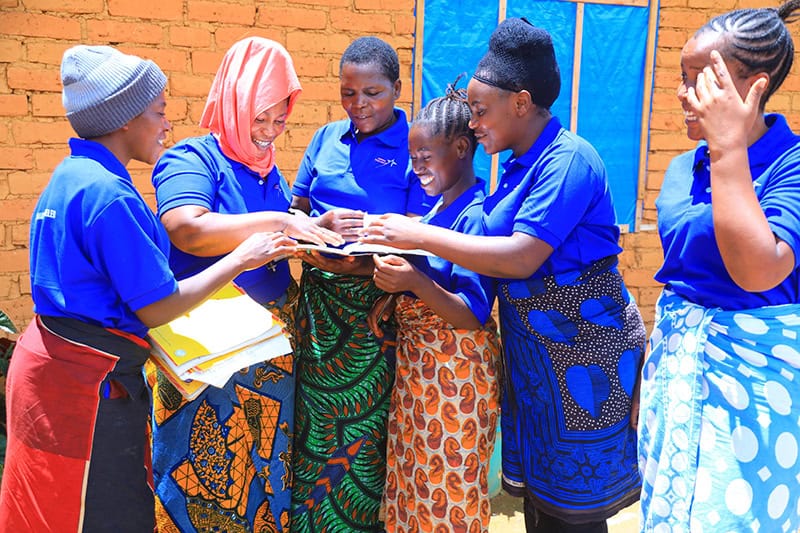
Economic empowerment was advanced through over 600 women’s entrepreneurship groups, offering training in business, income generation, and group management, and connecting 300 women to essential healthcare. With improved WASH and expanded livelihoods, women are now leading enterprises, influencing household decisions, and strengthening the economic and social resilience of their communities.

A Story of Transformation and Community Impact

Tanzania-Lwangu-2.jpg

 Learn more about the Global Water Challenge and The Starbucks Foundation
and how you can support our work.

Europe, Central
Asia and the
Middle East

For 20+ years, GWC’s work across Europe, Central Asia, and the Middle East has addressed some of the world’s most complex and water-scarce environments.

Working with leading corporate and government partners, GWC-led platforms deliver integrated water stewardship programs that improve WASH access, restore watersheds, and promote sustainable agriculture in 17 countries in the region.

Project types

WASH Access

Nature-Based Solutions

Climate Resilience

Utility Strengthening

Sustainable Agriculture

Empowerment

Impact to date across 17 countries

41

FAO sub-basins with improved water security

382K+

People reached with WASH programs

3BL+

Liters of water replenished (2025)

4

Water utilities with improved capacity

37.4K+

Women empowered

55K+

Hectares restored or under improved management

20.2K+

Trees planted

1.6K+

Farmers trained in sustainable agriculture

Regional platforms

Asia Pacific

GWC’s Asia Pacific portfolio addresses water security across South Asia’s most vulnerable regions.

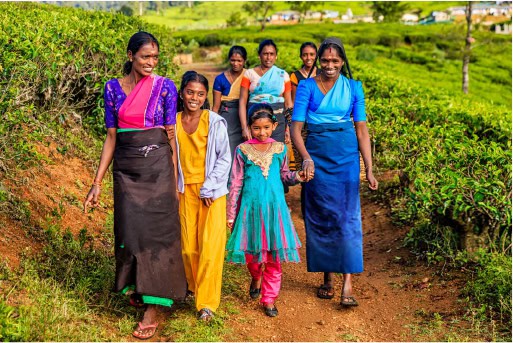
Across Asia, our programs with leading partners, including Gap Inc., The Coca-Cola Company, the United Nations, and other premier brands, support integrated watershed management, water access in schools and communities, agricultural water efficiency, and community and women’s empowerment.

In India and Pakistan, GWC mobilizes positive impact in stressed basins, bringing together local and international partners to build long-term water resilience.

Project types

WASH Access

Nature-Based Solutions

Climate Resilience

Utility Strengthening

Sustainable Agriculture

Empowerment

Impact to date across 7 countries

19

FAO sub-basins with improved water security

604K+

People reached with WASH programs

2.1BL+

Liters of water replenished (2025)

13

Water utilities with improved capacity

9.6K+

Women empowered

18.6K+

Hectares restored or under improved management

9K+

Trees planted

3.6K+

Farmers trained in sustainable agriculture

Regional platforms

Latin America
and the Caribbean

For 20+ years, GWC has provided deep and pioneering water stewardship expertise across Latin America and the Caribbean through partnerships with communities, local NGOs, and multinational companies.

Today, GWC’s best practices mobilize water access and improve water security region wide.

With leading partners, including Coca-Cola Latin America and its bottlersCargill, and Grundfos, GWC advances integrated watershed restoration, urban utility strengthening, sustainable agriculture, and WASH solutions, targeting the region’s most stressed basins with a goal to benefit 2.3 MM+ people by 2030.

Project types

WASH Access

Nature-Based Solutions

Climate Resilience

Utility Strengthening

Sustainable Agriculture

Empowerment

Impact to date across 17 countries

68

FAO sub-basins with improved water security

1.7MM+

People reached with WASH programs

16.1BL+

Liters of water replenished (2025)

35

Water utilities with improved capacity

251K+

Women empowered

16K+

Hectares restored or under improved management

322K+

Trees planted

1.1K+

Farmers trained
in sustainable agriculture

Regional platforms

Africa

For 20+ years, GWC has advanced water access and security across Africa through pioneering collective action platforms, including the pathbreaking Replenish Africa Initiative (RAIN) and the Water and Development Alliance (WADA), improving water access and security for thousands of communities and millions of people.

Today, the Africa Water Stewardship Initiative (AWSI) platform, with The Coca-Cola Company and its bottling system, and our Cargill Currents platform tackle Africa’s complex water security challenges across 41 countries through watershed restoration, water access, sustainable agriculture, systems strengthening, and community-led governance.

Project types

WASH Access

Nature-Based Solutions

Climate Resilience

Utility Strengthening

Sustainable Agriculture

Empowerment

Impact to date across 41 countries

112

FAO sub-basins with improved water security

7.8MM+

People reached with WASH programs

8.6BL+

Liters of water replenished (2025)

17

Water utilities with improved capacity

905K+

Women empowered

526K+

Hectares restored or under improved management

6.4MM+

Trees planted

42.4K+

Farmers trained in sustainable agriculture

Regional platforms

North America

For decades, GWC has actively mobilized solutions for water access, improved water quality and watershed resilience across the United States. GWC partnerships improve “last mile” water access, watershed restoration, nature-based solutions, and utility strengthening.

Our programming with the Kohler Trust for Clean Water supports underserved communities and improves access to water services, while GWC’s women for water platform delivers holistic water programming for women and their communities.  Across numerous states, our Cargill Currents platform drives positive outcomes for watershed resilience, wetland restoration, and ecosystem health.

Project types

WASH Access

Nature-Based Solutions

Climate Resilience

Utility Strengthening

Sustainable Agriculture

Empowerment

Impact to date across 14 USA states

35

FAO sub-basins with improved water security

536K+

People reached with WASH programs

3.3BL+

Liters of water replenished (2025)

56

Water utilities with improved capacity

300K+

Hectares restored or under improved management

262K+

Trees planted

Regional platforms